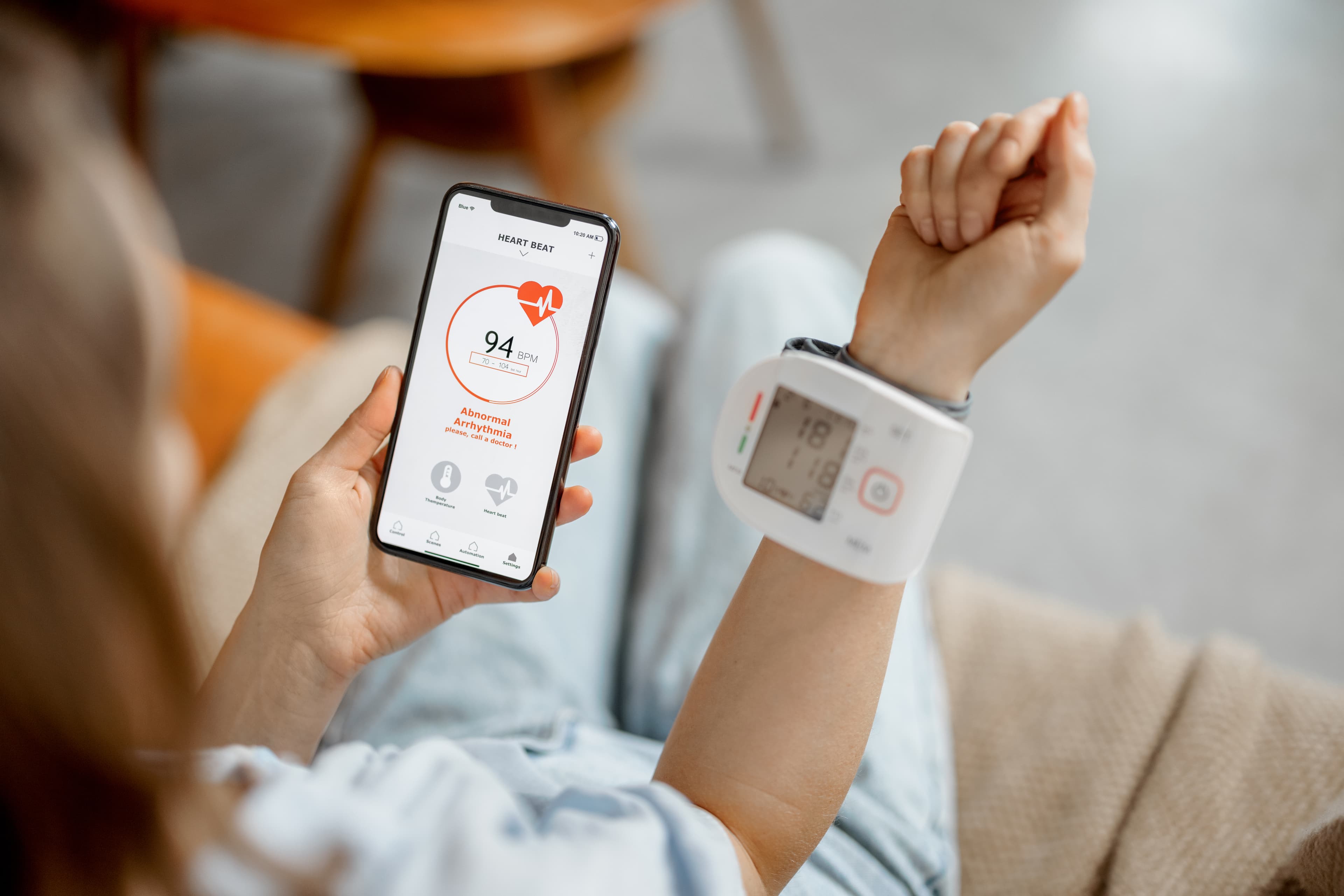
Remote Patient Monitoring looks simple on a slide: ship a device, read the data, bill the codes. In practice, most programs stall not because the technology fails but because the operations around it were never designed. The programs that scale make five decisions deliberately, up front, and instrument them from day one.
1. Decide who the program is for
RPM pays best, clinically and financially, when it's targeted. Hypertension and CHF patients with frequent out-of-range readings generate both the engagement and the billable device-days that sustain a program. Enrolling everyone with a chronic condition dilutes your staff's attention and buries the patients who actually need intervention. Start narrow, prove the model, then expand.
2. Make onboarding the device the easy part
The single biggest predictor of whether a patient hits the 16-day threshold for 99454 is whether the device worked on day one. Cellular-connected devices that require no pairing, no app, and no home Wi-Fi consistently outperform Bluetooth kits that depend on a patient's phone. Every step you remove from setup is adherence you don't have to chase later.
3. Set thresholds and an escalation path before go-live
Alerts are only useful if someone owns them. Define per-condition thresholds, decide who triages out-of-range readings, and write down what happens when a reading is critical: who calls, within what window, and when it becomes a provider escalation. A program without a documented escalation path generates alert fatigue, not better outcomes.
4. Staff for the reading review, not just enrollment
99457 and 99458 require 20 and 40 minutes of monthly management time with an interactive communication component. That's recurring labor, not a one-time setup cost. Model your staffing around the monthly review load at your target panel size, and give care managers a worklist that surfaces the patients who need attention rather than a flat list of everyone enrolled.
5. Bill the cadence correctly
- 99453: one-time setup and patient education on the device.
- 99454: device supply with daily readings, billable per 30 days once 16 days of data are captured.
- 99457: first 20 minutes of monitoring and management per month, with patient interaction.
- 99458: each additional 20 minutes of management time.
Track these from day one
- Device-days per patient per month: the leading indicator for 99454 eligibility.
- Activation rate: the share of shipped devices transmitting within 7 days.
- Alert response time: median time from out-of-range reading to staff action.
- Monthly management minutes per patient: to confirm 99457/99458 are supportable.
None of these five decisions is technically hard. What makes them hard is that they have to be made together, and revisited as the program grows. Instrument them early and RPM becomes a durable line of service rather than a pilot that quietly winds down.